You are visiting Acqua di Parma Netherlands

Stay updated with Acqua di Parma
Join our mailing list for updates on our latest news and launches

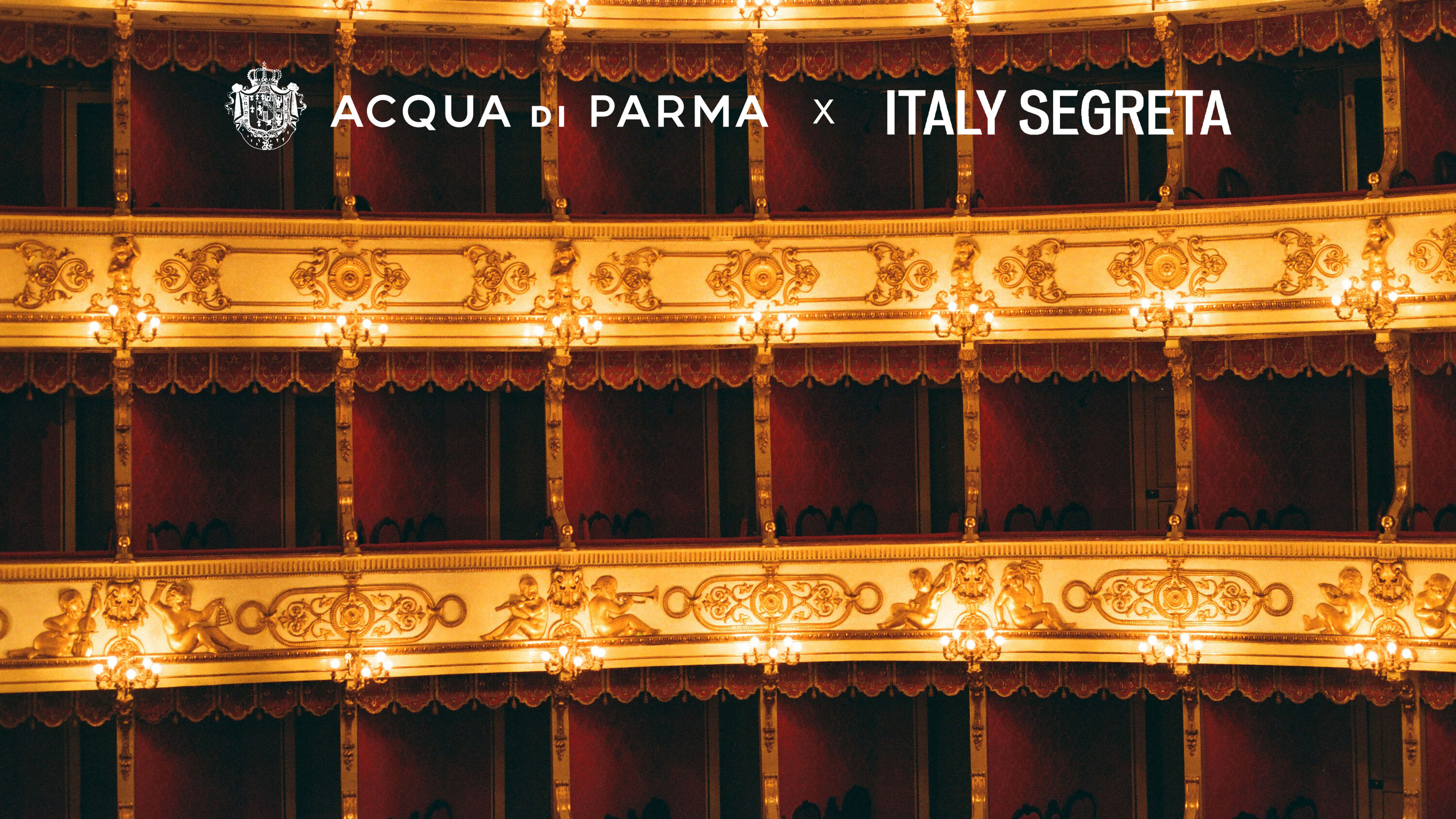
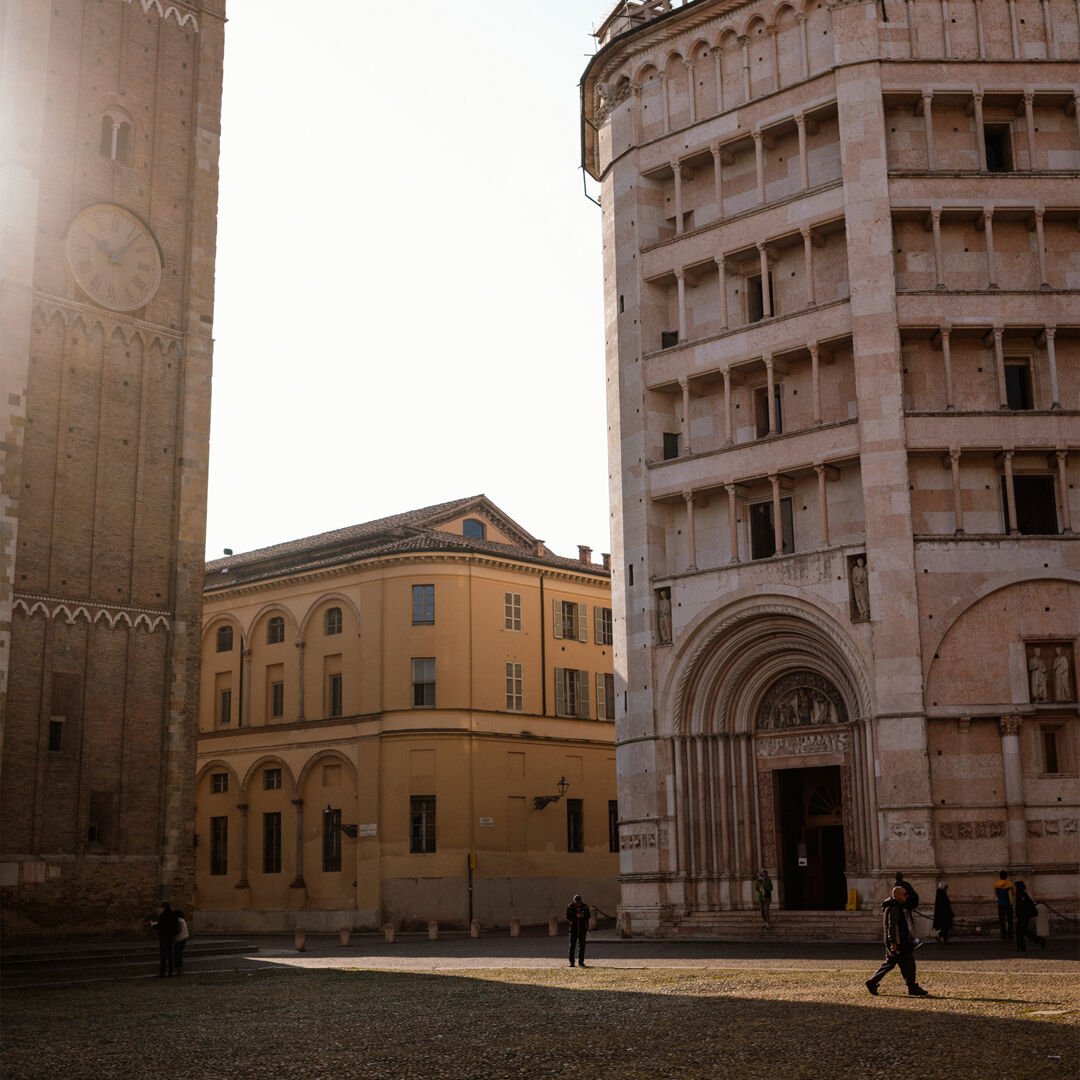
Emilia-Romagna’s second largest city has fragrance woven into its fabric and a two-century legacy to prove it. The roots of Parma’s perfumed heritage trace back to the reign of Maria Luigia, Duchess of Parma, during the early 19th century. An Austrian archduchess and Napoleon Bonaparte's second wife, Maria Luigia brought a refined taste for French luxury when she moved from France, her court becoming a nexus of cultural exchange between Italian artisans and French sensibilities. She introduced a full opera calendar, constructed a theater, and even planned one of the first public housing interventions. But the novelty with the longest sillage was the local perfumery. Maria Luigia loved the violets grown around Parma—the Viola Odorata, which she affectionately called a “graceful little flower”—and tasked the skilled monks of the Monastery of the Annunciata with discovering ways to extract their essence and create a perfume. The result was the Eau di Toilette “Violetta di Parma”, a fragrance made for her alone and whose secret recipe was protected for generations… Until the Victorian era, when a curious young Parma barber convinced the monks to share the formula, which, turns out, also contained jasmine, hyacinth and vanilla. He recreated the perfume and began to experiment with other compositions and botanicals, becoming popular first with Parma’s female contingent and later with clients further abroad. Perfume was no longer a reserve of the courts; everyone, or at least those with the purchasing power, could have a touch of what Maria Luigia loved so dearly.
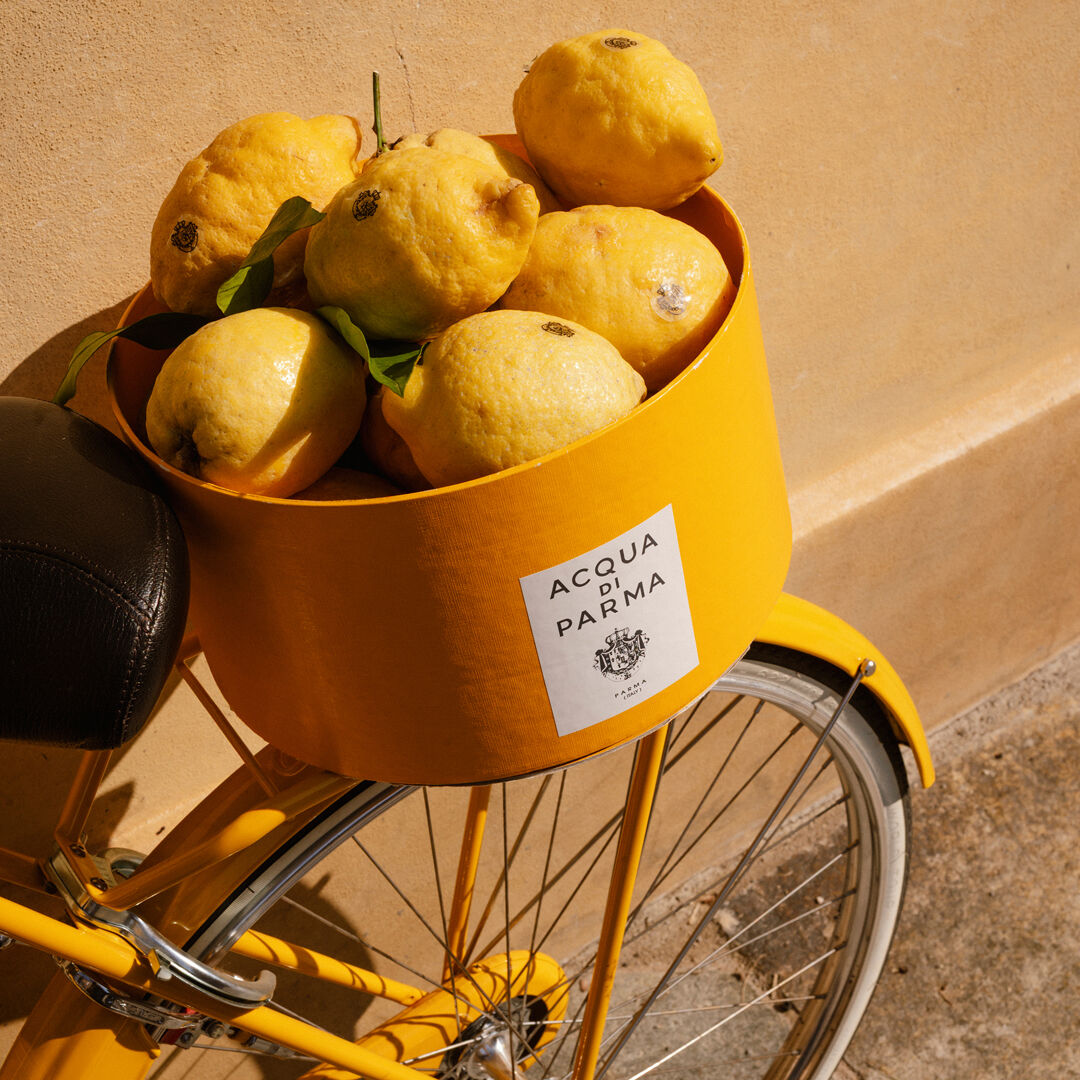
Yet, aside from the violet scent, France still dominated the olfactory market. That got shaken up in 1916, when Baron Carlo Magnani founded Acqua di Parma with the goal of offering fragrances that were both distinctly Italian and globally appealing. A worldly man, Magnani often traveled to cities like New York and London to trade textiles and collect art, but he carried with him a deep nostalgia for his native Italy—its sun, colors, and inimitable lightness. He wanted a fragrance that would remind him of home. Parma was the right place, for thanks to Maria Luigia, the city already had the right structures for perfume making, plus the people qualified to do it. His inaugural scent, Colonia, was a departure from the heavy perfumes of the time, introducing a fresh, citrus-forward recipe that was light and playful—sprezzatura embottled. It was Italy’s first Eau de Cologne. Colonia quickly became a symbol of Italian craftsmanship, and gentlemen at the city’s finest ateliers were known to scent their pocket squares with the stuff.
The cologne’s popularity skyrocketed in the 1940s and ’50s among the European aristocracy and Hollywood and Cinecittà elite, including the likes of Cary Grant and Audrey Hepburn, marking the first time Italian perfumery really claimed its place on the global stage. And Parma, as its birthplace, became the city synonymous with Italian perfume. Fast forward to today, and you’ll find Parma’s legacy on display at the Museo della Profumeria, a museum dedicated to the art and history of perfumery, showcasing artifacts that chronicle the evolution of scent-making in the region. Stroll through its halls, or wear a spritz of Acqua di Parma, and it’s easy to see why Parma has earned the title of “la città del profumo".